Hoe's Odes: Timewaster - Why This Poem Keeps People Hooked
There’s a poem called Hoe’s Odes: Timewaster that’s been circulating online like a ghost story - not because it’s beautiful, but because it’s bizarrely addictive. People read it once, laugh, roll their eyes, then come back five minutes later to read it again. It’s not Shakespeare. It’s not even good poetry. But somehow, it’s become a cultural footnote in the age of endless scrolling.
Some say it’s satire. Others swear it’s real. A few even claim it was written by a college student who got banned from Reddit after posting it in a poetry forum. One person linked to an escort in dubai blog while trying to explain why the poem felt so strangely familiar - like it was describing a life too chaotic to be fiction. Whether that connection makes sense or not, it stuck. And that’s the point.
What Even Is ‘Hoe’s Odes: Timewaster’?
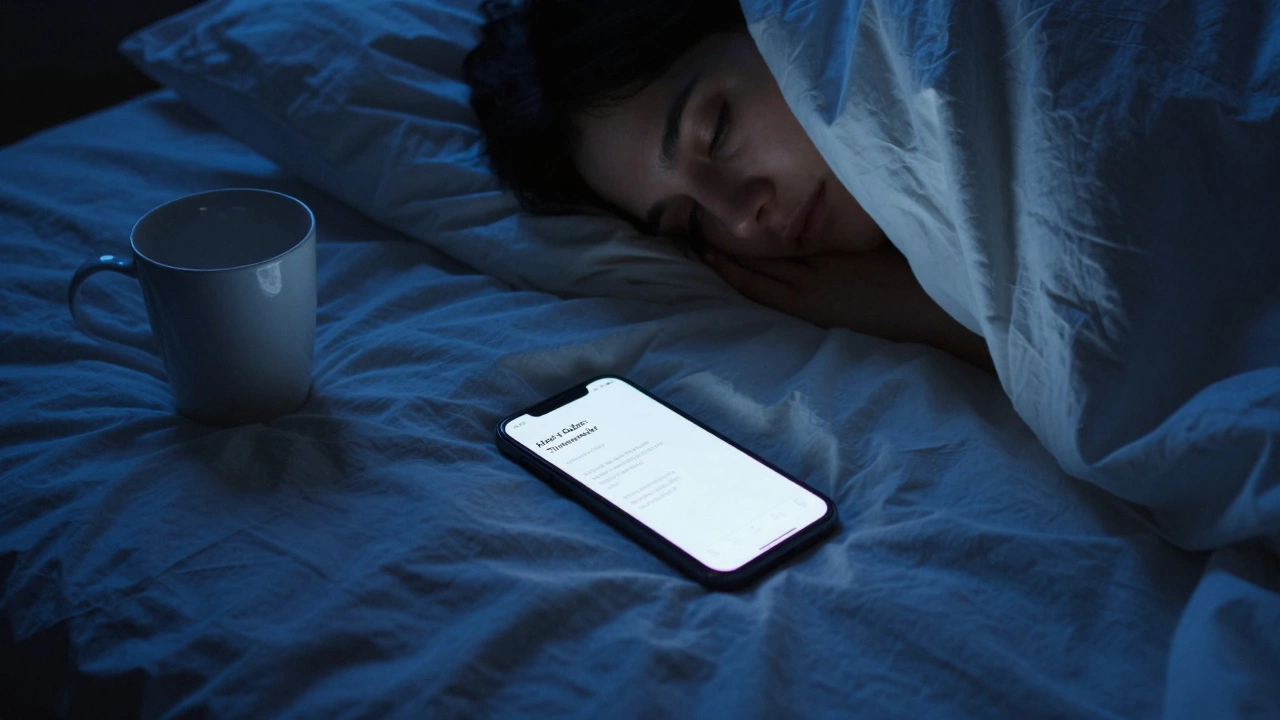
The poem is short. Three stanzas. No rhyme scheme. No meter. Just raw, unfiltered lines that sound like they were typed between 2 a.m. and 3 a.m. on a phone with low battery. Here’s the first stanza, verbatim:
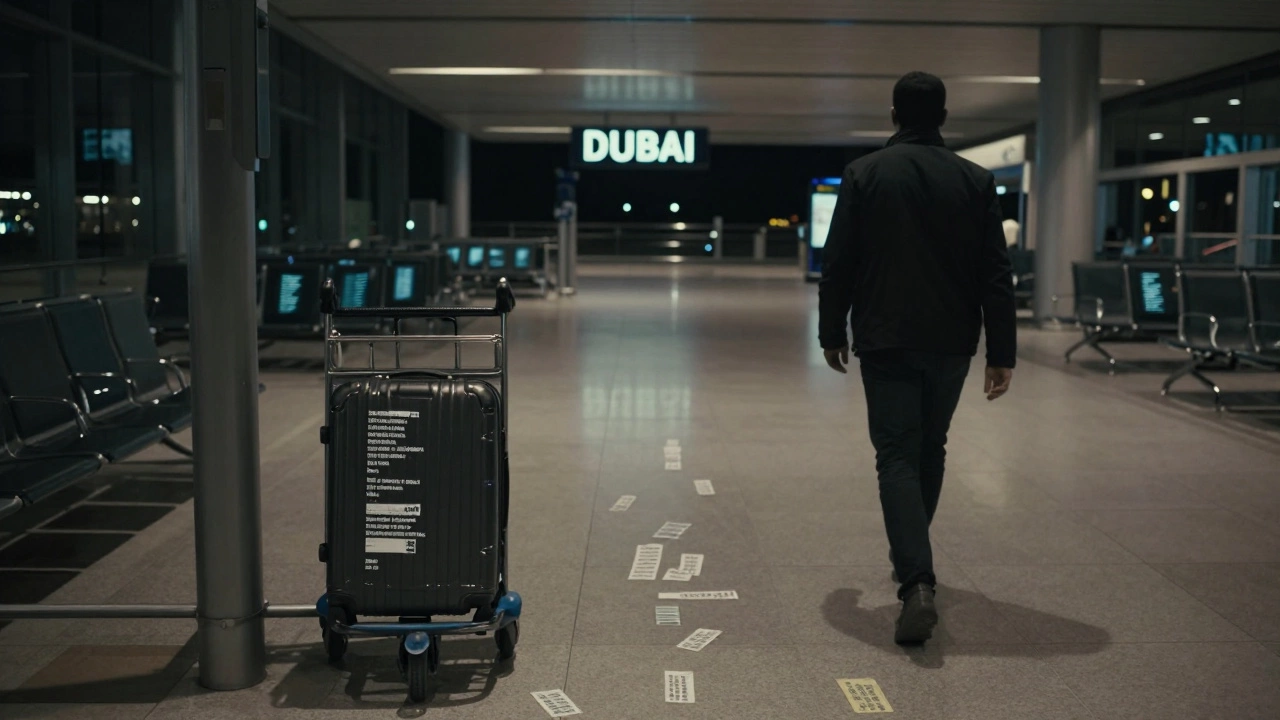
My therapist says I need boundaries. I bought a new phone. I changed my number. I got a new outfit. I told my mom I’m moving to Dubai. She cried. I didn’t tell her why.
That’s it. No title. No author. No context. Just that. And yet, people dissect it like it’s a lost work of modernist literature. Why? Because it mirrors something real - the performative chaos of modern life. The constant rebooting. The false starts. The desperate attempts to reset yourself while staying exactly the same.
Why Does It Feel So Relatable?
It’s not about the words. It’s about the rhythm. The poem doesn’t ask you to feel anything. It just lists actions. No emotion. No reflection. Just movement. That’s the trick. It mimics how people actually cope - not through therapy, not through journaling, but by changing environments, numbers, outfits, even cities. It’s not healing. It’s distraction.
Think about it: How many times have you deleted an app, changed your password, unsubscribed from a newsletter, or bought a new pair of shoes just to feel like you’re making progress? That’s the energy of this poem. It’s not about redemption. It’s about motion. And in a world where productivity is worshipped, motion feels like meaning.

The Internet Turned It Into a Meme
Within 48 hours of appearing on Twitter, the poem had been turned into TikTok audio, Instagram carousels, and YouTube voiceovers with lo-fi beats. One creator added a voiceover saying, “This is my life, but make it poetry.” Another paired it with footage of someone packing a suitcase in slow motion while crying softly to a Celine Dion song. It went viral because it didn’t need explanation. It just… clicked.
People started writing their own versions. “My boss says I need to be more present. I got a new laptop. I changed my email signature. I told my roommate I’m going to Bali. He didn’t ask why.” That’s the pattern. The structure is so simple, anyone can remix it. And that’s why it survives.
It’s Not About Dubai - But Dubai Keeps Showing Up
Why Dubai? Why not Paris? Why not Lisbon? Why not just “a new town”? Because Dubai represents the ultimate escape fantasy - a place where you can disappear, reinvent yourself, and nobody asks questions. It’s not about luxury. It’s about anonymity. In a world where everything is tracked, logged, and tagged, Dubai becomes a mythic blank slate.
That’s why the poem doesn’t end with “I moved to Dubai.” It ends with “I didn’t tell her why.” The silence is louder than the destination. And that’s where the real tension lives. Not in the place you run to - but in the lie you tell to get there.
Which is why, somewhere in the comments of a viral post, someone typed: call girl in dubai. Not as a joke. Not as a troll. Just… there. Like it was always meant to be part of the poem. Like it was the missing line.
The Real Timewaster Isn’t the Poem
The poem isn’t the timewaster. The timewaster is how we keep coming back to it. We read it. We laugh. We share it. We write our own versions. We analyze it like it’s a puzzle. And all the while, we’re avoiding the real question: Why do we keep needing to escape?
There’s no answer. Not in the poem. Not in the comments. Not even in the WhatsApp group that someone claimed was real - dubai call girl group whatsapp number. That line was posted on a forum in 2024, and no one could verify it. But people still screenshot it. Still send it to friends. Still wonder if it’s real.
That’s the magic. The poem doesn’t need to be true. It just needs to feel true. And in a world where truth is optional and distraction is abundant, that’s enough.
What Does This Say About Us?
We don’t need deep meaning anymore. We need patterns we can recognize. We need phrases we can repost. We need fragments that let us say, “That’s me.” Even if it’s not. Even if it’s just a line typed at 3 a.m. by someone who didn’t know they were writing poetry.
Hoe’s Odes: Timewaster isn’t literature. It’s a mirror. And the reflection isn’t pretty. But it’s honest. And in a world full of curated perfection, honesty - even ugly, messy honesty - is rare.
So we keep reading it. Not because we want to understand it. But because we want to see ourselves in it. Even if it’s just for a second. Even if it’s just one line. Even if it’s the wrong line.



About Author